
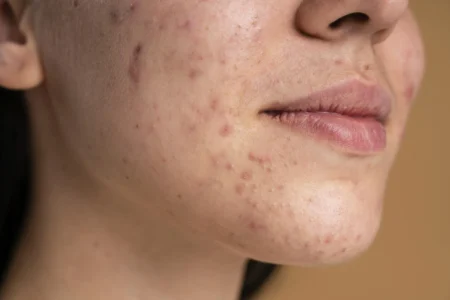
Acne is a widespread skin condition that can affect individuals at any stage of life. Whether you’re dealing with occasional breakouts or persistent acne, understanding its causes and the best treatments available can help you achieve clear and healthy skin. In this blog, we will explore the root causes of acne and the most effective treatments to combat it.
Understanding Acne: What Causes It?
Before exploring treatment options, it’s important to understand what causes acne. Acne develops when hair follicles become clogged with oil (sebum) and dead skin cells. Here are the primary factors that contribute to acne:
1. Excess Sebum Production
- The skin produces oil (sebum) to keep itself hydrated, but excess production can clog pores and lead to acne.
2. Bacterial Growth
- The bacteria Propionibacterium acnes (P. acnes) can thrive in clogged pores, causing inflammation and breakouts.
3. Hormonal Changes
- Hormonal fluctuations, especially during puberty, menstruation, pregnancy, and stress, can increase sebum production and trigger acne.
4. Dead Skin Cell Buildup
- If the skin isn’t exfoliated properly, dead skin cells accumulate and contribute to clogged pores.
5. Diet and Lifestyle Factors
High-glycemic foods, dairy, and processed foods can aggravate acne. Additionally, lack of sleep and stress can worsen breakouts.
Best Acne Treatments: Effective Solutions for Clear Skin
There are several treatment options for acne, ranging from over-the-counter products to professional dermatological procedures. Here are some of the best treatments available:
1. Topical Treatments
These treatments are applied directly to the skin and help to reduce inflammation, kill bacteria, and unclog pores.
- Benzoyl Peroxide: Kills acne-causing bacteria and reduces inflammation.
- Salicylic Acid: Aids in removing dead skin cells and keeping pores clear.
- Retinoids (Vitamin A Derivatives): Promote cell turnover and prevent the formation of new acne lesions.
2. Oral Medications
Dermatologists may recommend oral medications for treating moderate to severe acne.
- Antibiotics: Reduce bacterial growth and inflammation.
- Oral Contraceptives: Help regulate hormonal imbalances in women.
- Isotretinoin : A powerful treatment for severe acne that reduces oil production and prevents breakouts.
3. Professional Dermatological Treatments
For persistent acne, professional treatments can provide effective results.
- Chemical Peels: Help exfoliate the skin and improve acne scars.
- Laser and Light Therapy: Reduce bacteria and inflammation.
- Microneedling: Stimulates collagen production and improves acne scars.
4. Lifestyle and Home Remedies
Making small changes in your daily routine can also improve acne.
- Diet: Reduce processed foods and consume anti-inflammatory foods like green vegetables and omega-3 fatty acids.
- Hydration:Stay hydrated by drinking plenty of water to help flush out toxins from your body.
- Skincare Routine: Use a gentle cleanser, non-comedogenic moisturizer, and sunscreen to protect your skin.
Acne is a common yet manageable skin condition. Understanding the causes and choosing the right treatment based on your skin type and severity of acne can help you achieve clear skin. If over-the-counter solutions don’t work, consult a dermatologist for personalized treatment. With the right approach, you can take control of your skin and boost your confidence!